THE THINGS A MACHINE CAN’T MAKE
Boutique design and marketing studio QuickFuse Creative reflects on the role of artificial intelligence (AI) in creative work.
Words Amanda Penton
There’s a promise doing the rounds at the moment, and it’s a seductive one: that with the right AI subscription and a few clicks, whole parts of a business can simply run themselves. The marketing, the design, the customer service, all automated overnight. Being in business is hard, relentless and rarely predictable, so the idea that a piece of software might take some of it off your hands is genuinely tempting. But the promise and the reality aren’t always the same thing.
For those who make a living helping businesses tell their story, whether that’s designing the brand, writing the words, building the website or posting to social media, AI isn’t an abstraction you can wait out. It arrived quickly, and it keeps arriving.
So the question worth asking isn’t whether to fear AI or cheer it on. It’s the one underneath: as the ground shifts, what is actually worth holding onto?
QuickFuse Creative's answer has grown clearer rather than murkier. Their corner of all this is creative work, the look of a brand, the words and visuals a business puts out into the world, and it’s there that the promise is both dazzling and, quite often, misleading.
For all that it can do, AI is, at heart, a machine for producing more of the same. Give a hundred people the same tool and they’ll make a hundred versions of much the same thing: competent, plausible, and almost instantly forgettable. Which leads somewhere unexpected. The output still needs a knowledgeable pilot, someone who understands design and craft, who knows the rules well enough to know when to break them. A creative director, in other words, with the technical knowledge to fill the gaps the tools leave behind.
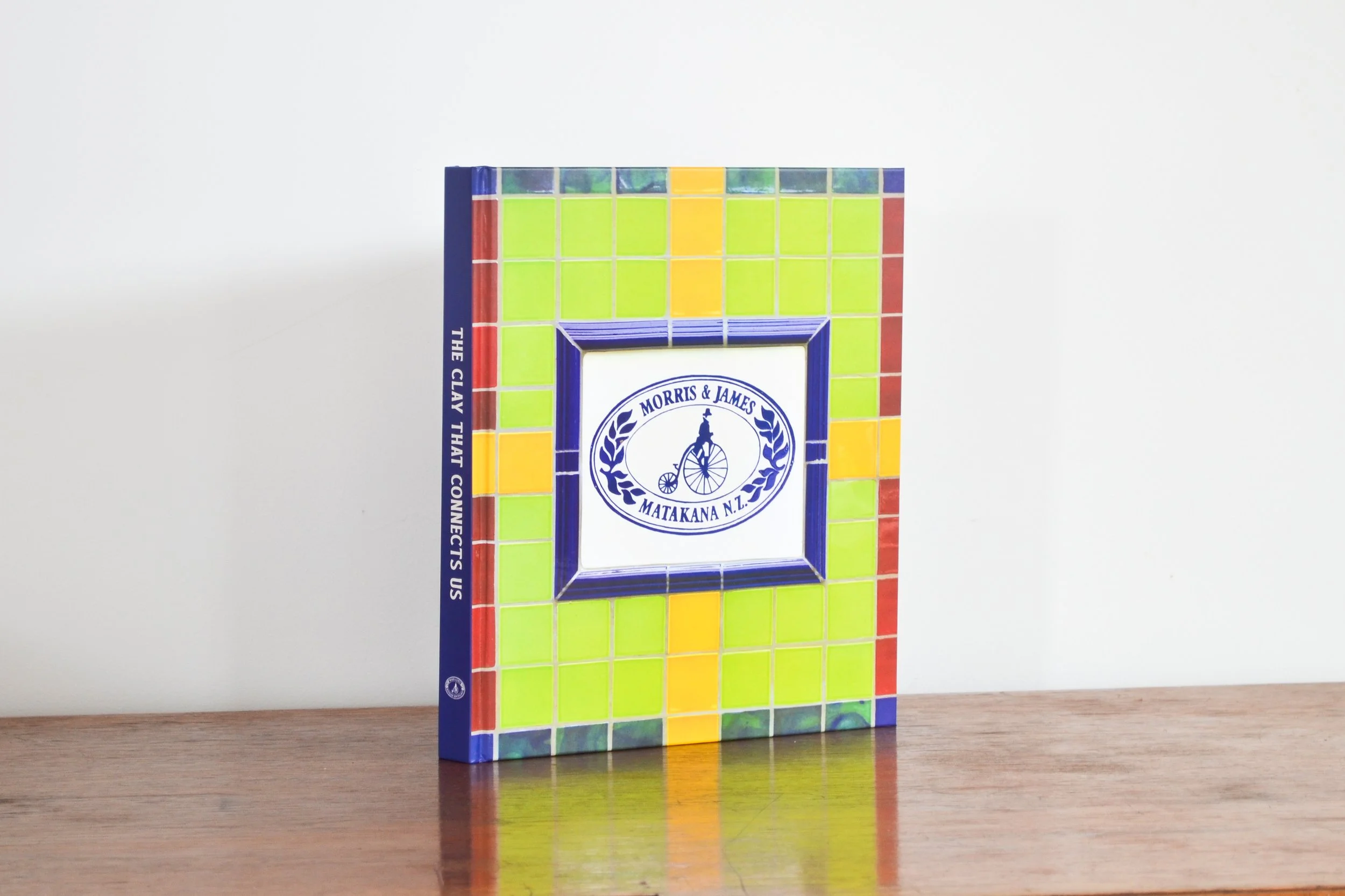
Lately they’ve noticed the tide turning: a growing preference for the imperfections of handmade, and a resistance to visual materials obviously generated in seconds by AI. People are drawn, again, to a brand with a genuine point of view rather than a borrowed one. QuickFuse Creative believes this is the enduring pull of craft, and they witnessed it last year in the closure of Morris & James, the Matakana pottery brand whose pieces, gloriously imperfect, are each a little different because a person made it. As word spread of their closure after nearly fifty years, people came in droves – reaching for something beyond the pot, something it had come to stand for.
Beneath the work of the hand sits the thing it has always really been about: connection. It looks like a handwritten note tucked into the parcel, the maker standing behind the stall on a Saturday morning, a reply that comes from a person, not a bot. The more automated and uniform the world becomes, the more people seem to long for the opposite.
There’s a particular joy in the handmade, faults and all: the signature of something made on purpose, with intention. It’s the same reason print still holds an audience, something physical that can be kept, in a world built to be scrolled past. Both have their place. But which is really more desirable?
That, in the end, is what adapting has come to mean for QuickFuse Creative. The dull and repetitive work (the admin, the prototyping, the reporting) is gladly passed to the machine, and staff are grateful for the hours it hands back. The mistake would be to pour those hours into making more forgettable things, faster. Far better to spend them on what no machine can offer: the listening, the craft, the showing up, and the community that gathers around a name people have come to trust.