GROW LIKE A PRO
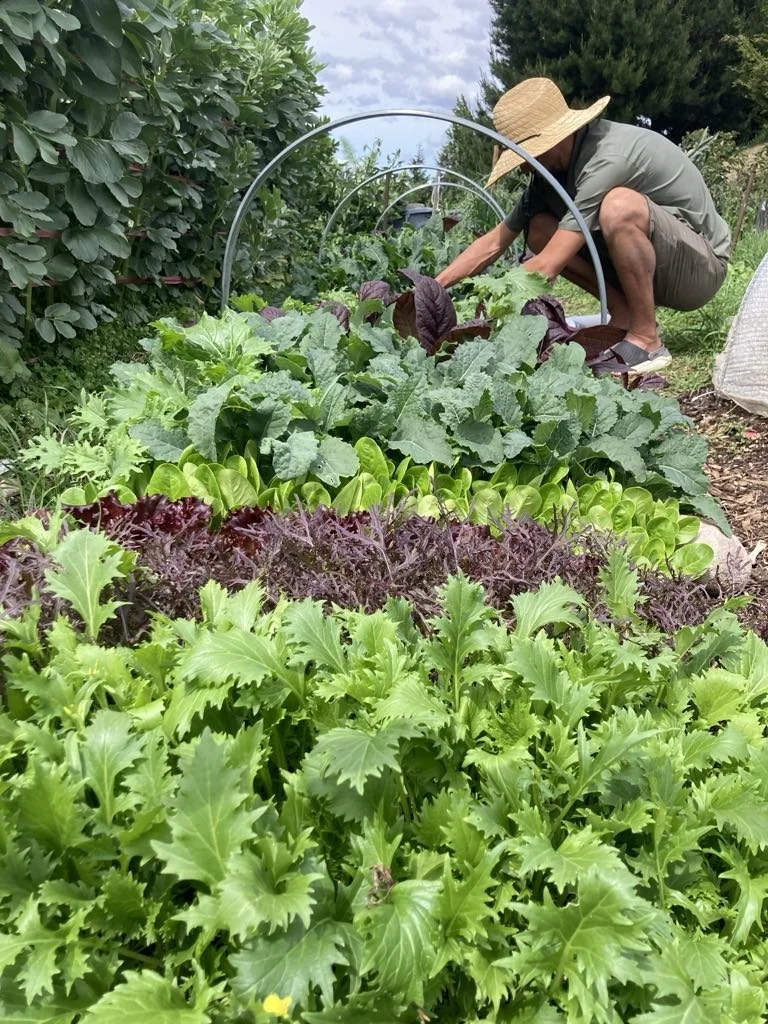
We asked Tim Baker of Crop QT to share his advice on starting a home garden. As a regenerative grower specialising in no-dig, soil-first systems, Tim helps gardeners build productive spaces that work in harmony with the seasons.
Words Tim Baker
Starting a garden isn’t about mastering complicated systems; it’s about nurturing a foundation that works for you. When you focus on soil health and seasonal timing, plants largely take care of themselves. Whether you’re eyeing a patch of lawn or a few pots, here’s how to build a garden that thrives.
The Ideal Location
Choose a sunny, sheltered spot that you naturally walk past every day. Protection from harsh winds is just as vital as sunlight for tender food crops. A garden that is out of sight is often out of mind. When your plants are in your daily path, you’ll notice a drooping leaf or a ripening tomato effortlessly.
A No-Dig Approach
Soil is the engine of your garden. Instead of "dirt," aim for living soil by building fertility from the top down.
Less Disturbance: By not turning the soil, you keep the soil biology intact and prevent dormant weed seeds from being brought to the surface.
Top-Dressing: Apply a thick layer of high-quality, dark, earthy-smelling compost directly to the surface.
The Organic Rule
Avoid synthetic products or potting mixes containing artificial wetting agents and chemical fertilisers. We eventually eat what we feed our plants.
The Boost
Use natural amendments like blood and bone or compost and seaweed tea to support the microbial life that feeds your crops.
Choose High-Reward Crops
For your first harvest, mix productivity with biodiversity.
Herbs: Parsley, basil, and thyme.
Quick Wins: Salad greens, beans, and radishes.
Edible Pollinator Pals: Flowers such as calendula and nasturtium are essential. They protect your crops and improve soil health, and best of all, they are entirely edible – perfect for a peppery pop of colour in autumn salads.
Follow The Local Rhythm
Timing is the difference between struggle and success. Use a local planting calendar to ensure your seedlings go in when the environment is ready to support them.
Utilise Local Wisdom
Local growers and seasoned neighbours hold invaluable knowledge shaped by the region's specific conditions. Tapping into that shared experience shortens the learning curve and turns setbacks into lessons.
Maintain, Don’t Overmanage
When your soil is healthy and organic, the "work" drops significantly. Deep, consistent watering and a seasonal mulch of compost are often all that’s required. A healthy garden shouldn’t feel like a burden – it should feel like a retreat.
www.cropqt.com | hello@cropqt.com