WHEN CARE COMES HOME
In communities across the region, more families are quietly rethinking how they care for one another at the end of life.
Rather than handing everything over to institutions, many are choosing to slow down, keep loved ones at home, and remain closely involved during the final days of life and after death itself. For some, this shift feels less like a new movement and more like a return to familiar ways of caring for one another – practices once woven naturally into home and community life.
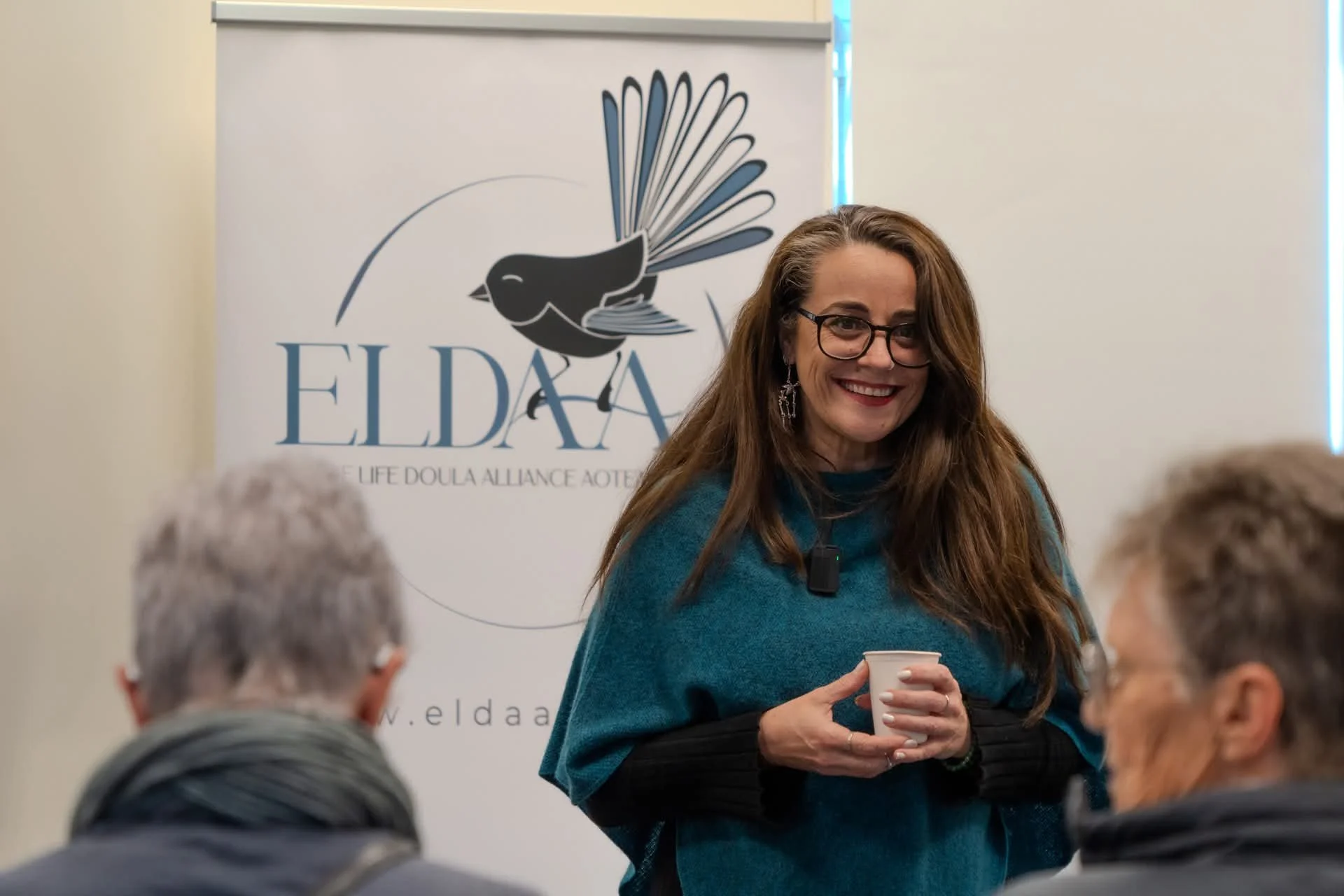
Supporting families through this process is Matakana Coast–based end-of-life doula Sherie Sullivan. A professional member of the End of Life Doula Alliance Aotearoa (ELDAA) – New Zealand’s only professional body for end-of-life doulas – Sherie has recently been appointed to the organisation’s executive committee.
Her work spans the entire end-of-life journey, from diagnosis through death and into bereavement. While she is well known for guiding home vigils and family-led funerals, her role begins much earlier, supporting dying people and those close to them as care needs, decisions, and emotions evolve. An end-of-life doula does not replace medical or hospice care. Instead, doulas work alongside clinical services, focusing on the non-medical aspects of dying – the relational, emotional, spiritual, and practical support that often falls to families.
Much of end-of-life care already takes place at home, with whānau providing the majority of handson support. Doulas support what happens outside clinical settings: listening, guiding, advocating, and helping families understand their choices. Sherie offers steady, consistent support over time.
A central part of her work is helping families feel informed and confident – asking questions, navigating systems, and protecting time, choice, and dignity in situations that can otherwise feel rushed or overwhelming. “When families are given time and the right support,” she says, “they often discover that saying goodbye can be calmer, more grounding, and far more meaningful than they expected.” Home vigils and after-death care form one part of this wider support. Sherie guides families who choose to care for their person at home after death, creating space for people to gather without urgency.
Friends and whānau may come and go, children are welcome, and the atmosphere often reflects the quieter rhythms that once shaped family life around death. She also supports families with natural, non-invasive after-death body care, simple rituals shaped by personal or cultural values, and the practical steps that follow, including paperwork and coordination.
This guidance helps families remain involved rather than feeling sidelined at a vulnerable time. While grief is inevitable, many families describe a deep sense of connection and peace that comes from being present throughout.
In reclaiming these practices, families often rediscover something long understood within communities: that caring for one another at the end of life is not only possible, but profoundly human.