FULL CIRCLE
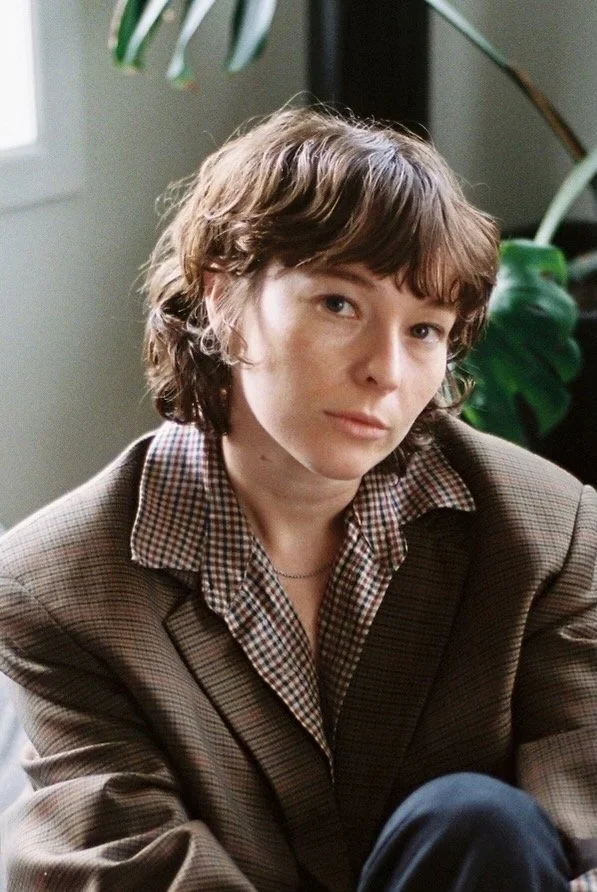
Paloma Schneideman | Photo credit: Nicola Sandford
Before it screened at Sundance Film Festival and earned international acclaim, Big Girls Don't Cry began in Matakana – and now it's coming home. We caught up with Director Paloma Schneideman.
Big Girls Don't Cry is set in early 2000s Matakana – how much of the film is drawn from your own experience growing up in the area, and how much is fiction?
It's a bit of both. I'd always thought Matakana would make an incredible backdrop for a film. Growing up there in the early 2000s, I witnessed that period of rapid change as a small rural town evolved. Omaha was growing, the old dinky baches were disappearing, and huge holiday homes were taking their place.
As a teenager, I found that transformation exciting. Summer felt full of possibility – city kids would arrive for the holidays, and there was always the chance to reinvent yourself, even if only for a few weeks. Matakana's transformation felt like the perfect metaphor for that coming-of-age experience.
Beyond the setting, the story came from conversations about shame, girlhood, identity, and the messy transition into adulthood – that moment when you think you're an adult, only to realise later you were still very much a child.
Having screened at Sundance, SXSW, BFI Flare London, and TIFF New Wave, what does it mean to you that a story rooted in such a specific local landscape has resonated internationally?
It's been incredibly affirming. There's something healing about realising people all over the world have lived through their own version of this story. The details might differ, but the feelings are often the same. That's the power of cinema. I'm especially excited for the film's homecoming. There are so many subtle references that only Kiwis will fully appreciate, and I'm proud to share what makes New Zealand so beautifully specific.
Matakana has changed enormously since the early 2000s. How did you recreate that time and place on screen?
We scouted beach towns all over New Zealand. I'd almost resigned myself to the idea that Omaha and Matakana had changed too much. But after months of searching, I came back and realised it was the only place we could shoot. Even though it looked a little different, the bones and feeling are still there. Our cinematographer and art department paid close attention to detail to recreate that early 2000s world. We wanted it to feel like a memory without being nostalgic for nostalgia's sake.
What does it mean to bring the film back to Matakana Cinema?
It means everything. I had my first job there when it opened in 2007, and it shaped my understanding of cinema completely. Many of the people who came through while I worked there are still part of the community, and I hope they come and experience this full circle moment with me.
Whānau Mārama New Zealand International Film Festival 2026 is on in Matakana from Thursday 27 August to Wednesday 9 September.